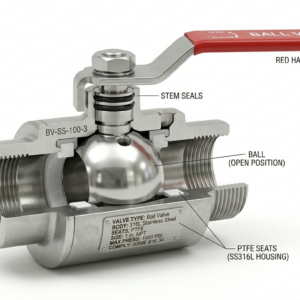
• Ball Valves

    • Type: Ball valve (quarter-turn shut-off valve)
    • Load: Handles internal fluid pressure; not designed for mechanical load-bearing
    • Cage: Not applicable (solid ball with seats instead of cage structure)
    • Performance: Fast operation, low pressure drop, reliable sealing, long cycle life
    • Construction: Valve body + perforated ball + seats (PTFE or similar) + stem + handle/actuator
    • Use cases: Fluid shut-off in pipelines, hydraulic and pneumatic systems, water and oil control, industrial processing
    • Note: Best for on or off control; not ideal for precise flow regulation as partial opening can cause seat wear

    Ball Valves

     999.00
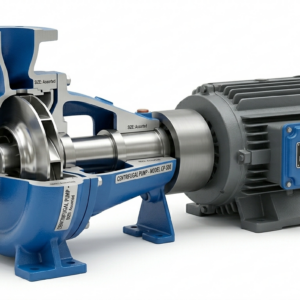
  • Centrifugal Pumps

    • Type: Rotodynamic pump (centrifugal type)
    • Load: Primarily hydraulic load from fluid movement; radial and axial forces on impeller
    • Cage: Not applicable (no rolling element cage; uses impeller and shaft system)
    • Performance: Steady flow, moderate to high efficiency, best for low-viscosity fluids
    • Construction: Casing, impeller, shaft, seals, bearings, and drive motor
    • Use cases: Water transfer, irrigation, HVAC systems, industrial fluid movement, cooling circuits
    • Note: Requires proper priming before operation; avoid dry running and ensure correct sizing for best efficiency

    Centrifugal Pumps

     19,999.00
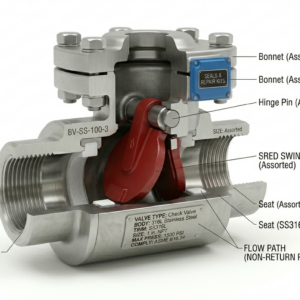
  • Check Valves (Non-Return Valves)

    • Type: Check valve (non-return valve)
    • Load: Handles fluid pressure loads in one direction; blocks reverse pressure
    • Cage: Internal guide or spring mechanism (varies by design such as spring-loaded or swing type)
    • Performance: Quick response, low backflow leakage, stable operation under varying pressures
    • Construction: Valve body, seat, disc/ball or poppet, optional spring mechanism, threaded or flanged ends
    • Use cases: Pumps, compressors, pipelines, hydraulic and pneumatic systems, water and fluid control setups
    • Note: Install in correct flow direction (marked on body); ensure compatibility with pressure, fluid type, and operating conditions
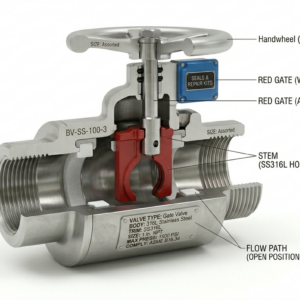
  • Gate Valves

    • Type: Gate valve (rising stem or non-rising stem)
    • Load: Handles fluid pressure loads; not designed for mechanical side loads
    • Cage: Not applicable (no cage, uses gate/disc mechanism)
    • Performance: Low pressure drop when fully open; reliable sealing when closed; slower operation compared to other valves
    • Construction: Valve body + gate (disc) + stem + सीट (seat) + bonnet; typically cast or forged metal construction
    • Use cases: Pipeline isolation, water systems, oil and gas flow control, industrial shut-off applications
    • Note: Avoid using for throttling as partial opening can cause wear and vibration; operate in fully open or closed position for best performance

    Gate Valves

     999.00
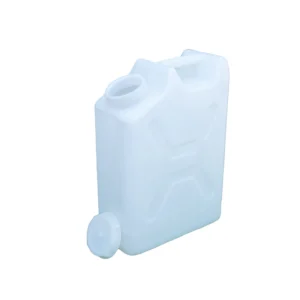
  • Plastic Jerry Can – 20 L

    Type: Plastic jerry can
    Capacity: 20 liter
    Material: HDPE plastic
    Use cases: Water, cleaning liquids, oils, industrial fluids
    Feature: Integrated carry handle
    Note: Suitable for storage and transport of compatible liquids

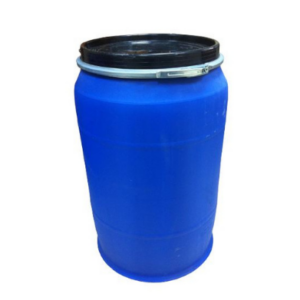
  • Plastic Open-Top Drum – 210 L

    Type: Plastic open-top drum
    Capacity: 210 liter
    Material: HDPE plastic
    Closure: Removable lid with clamp/ring style closure
    Use cases: Bulk liquids, powders, raw materials, industrial storage
    Note: Check food-grade or chemical-grade requirement before ordering

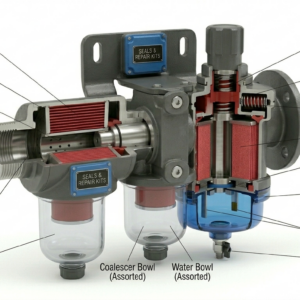
  • Water/Particulate Separators

    • Type: Water and particulate separator (air line filter unit)
    • Load: Handles flow pressure and contaminant load within rated capacity
    • Cage: Not applicable (uses internal filter element instead of bearing cage)
    • Performance: High moisture separation efficiency, consistent filtration, low pressure drop
    • Construction: Housing (metal or polymer bowl), filter element, baffle or centrifugal mechanism, drain valve
    • Use cases: Air compressors, pneumatic systems, spray booths, industrial air lines, fluid filtration setups
    • Note: Install in correct flow direction and maintain regularly by draining collected water and replacing filter elements when needed

Main Menu